Toyota Corolla Stripping for spares
Now stripping
Make: Toyota
Model: Corolla
Call us for prices: 015 004 1354 / 015 581 4019 / 015 004 1365 Whatsapp Number: 082 538 8751
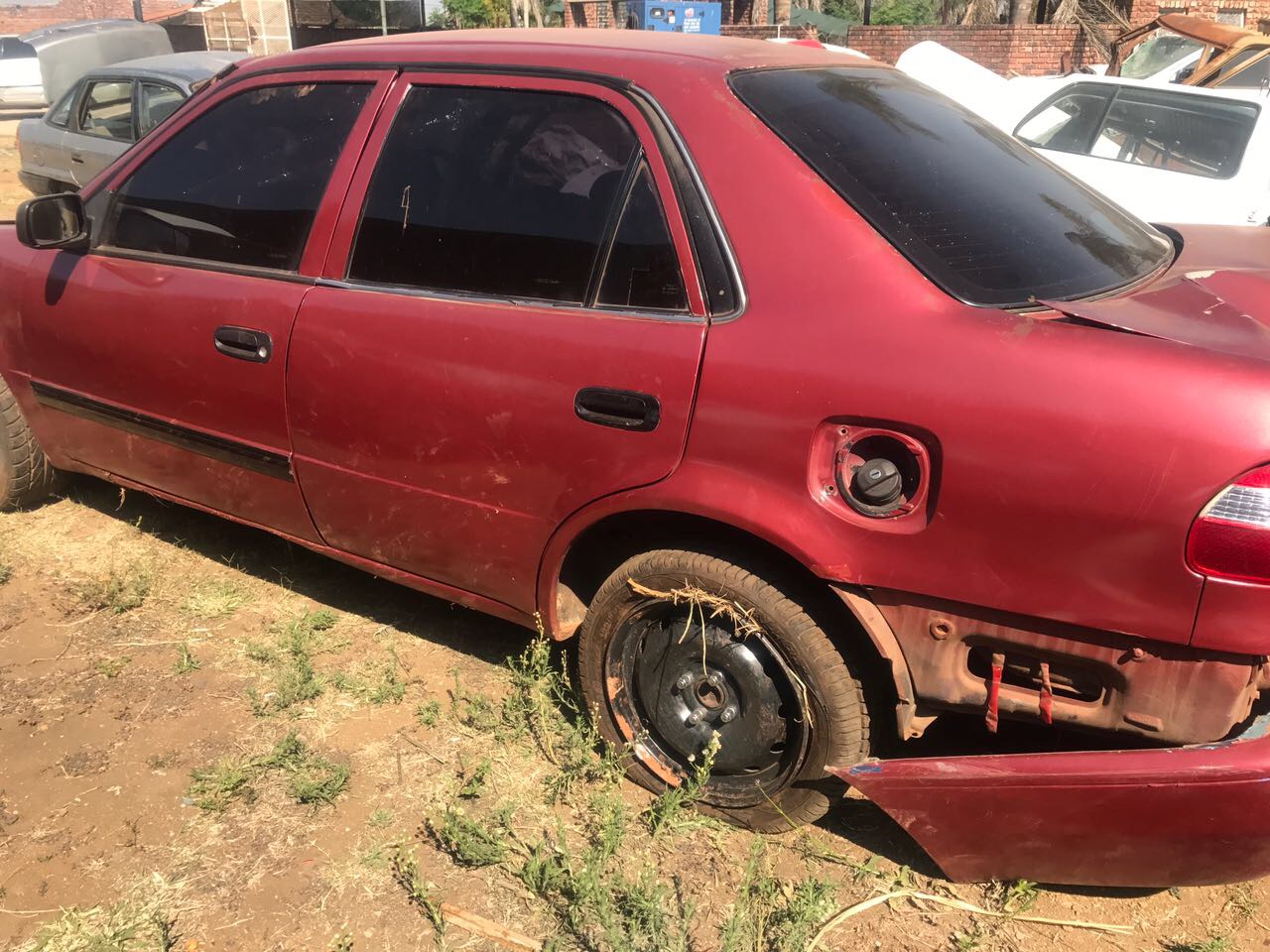
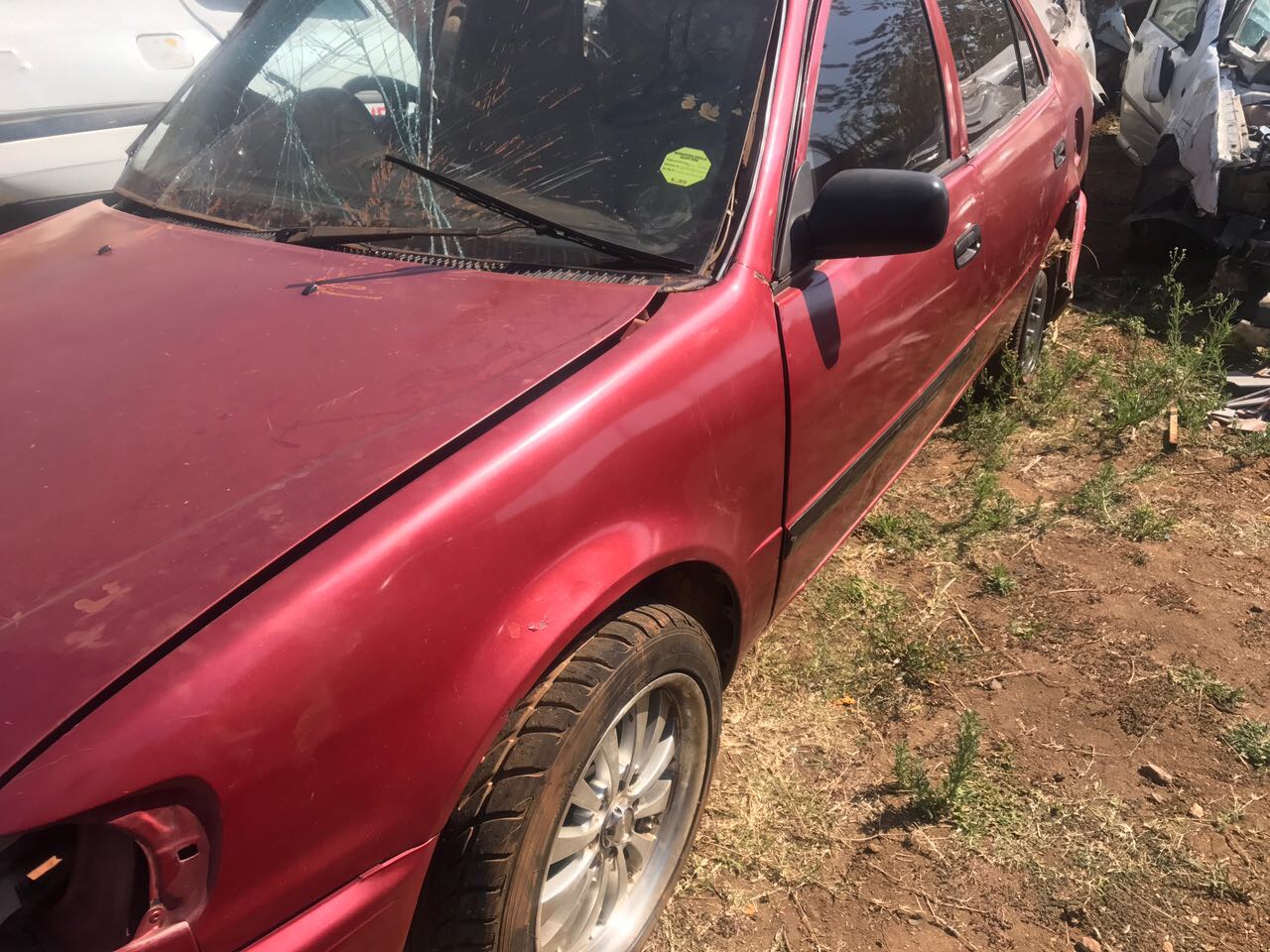
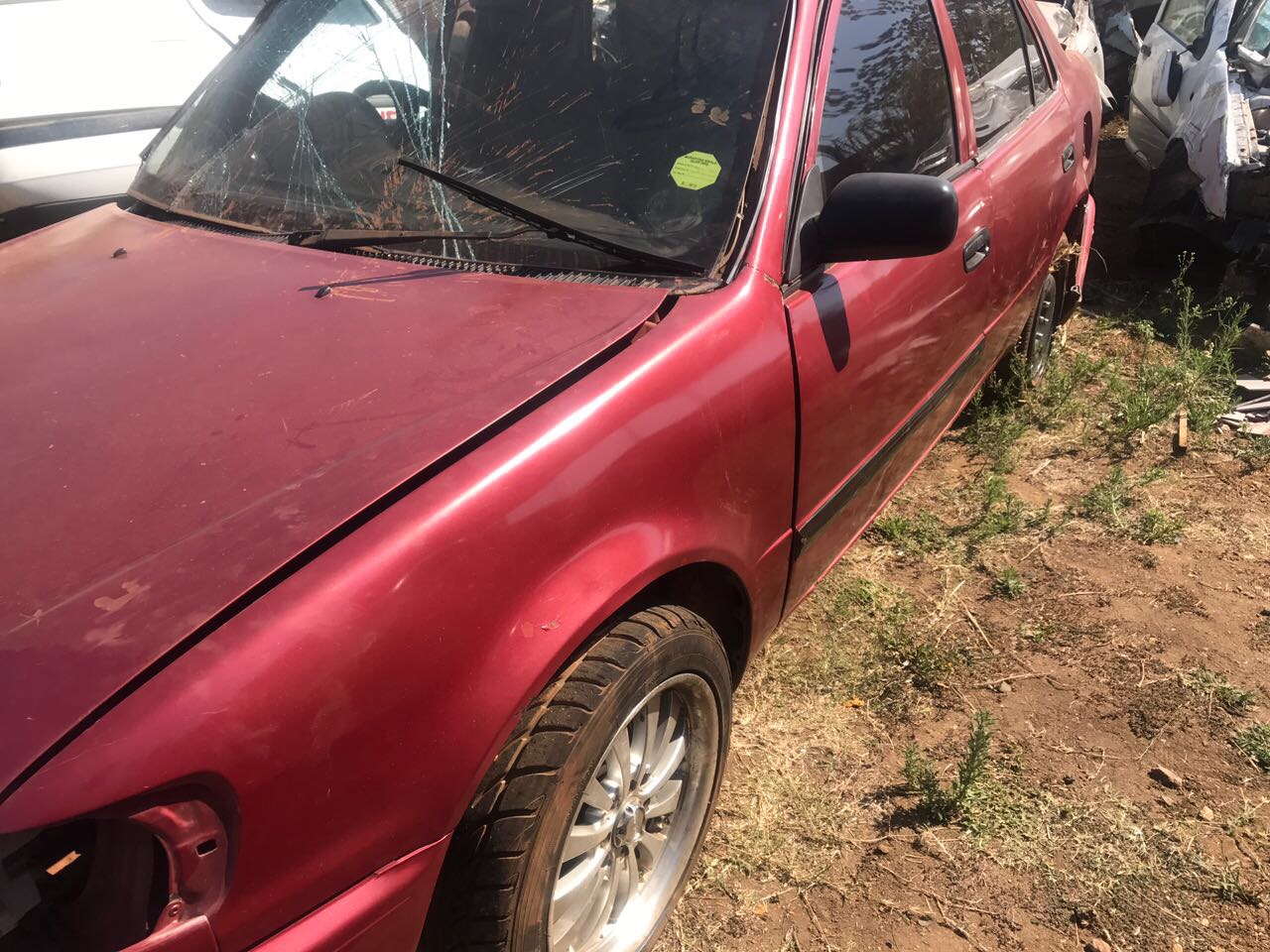
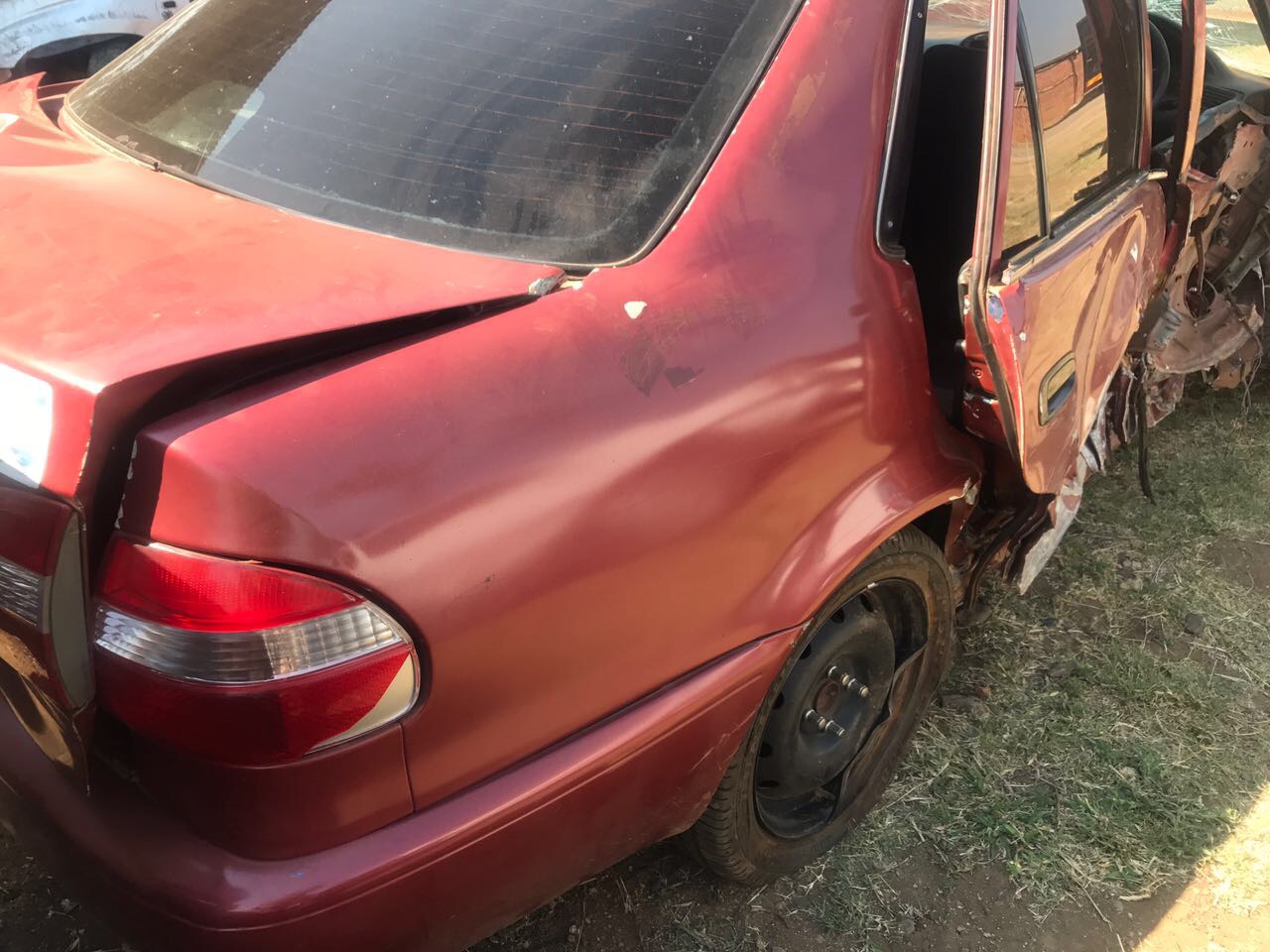
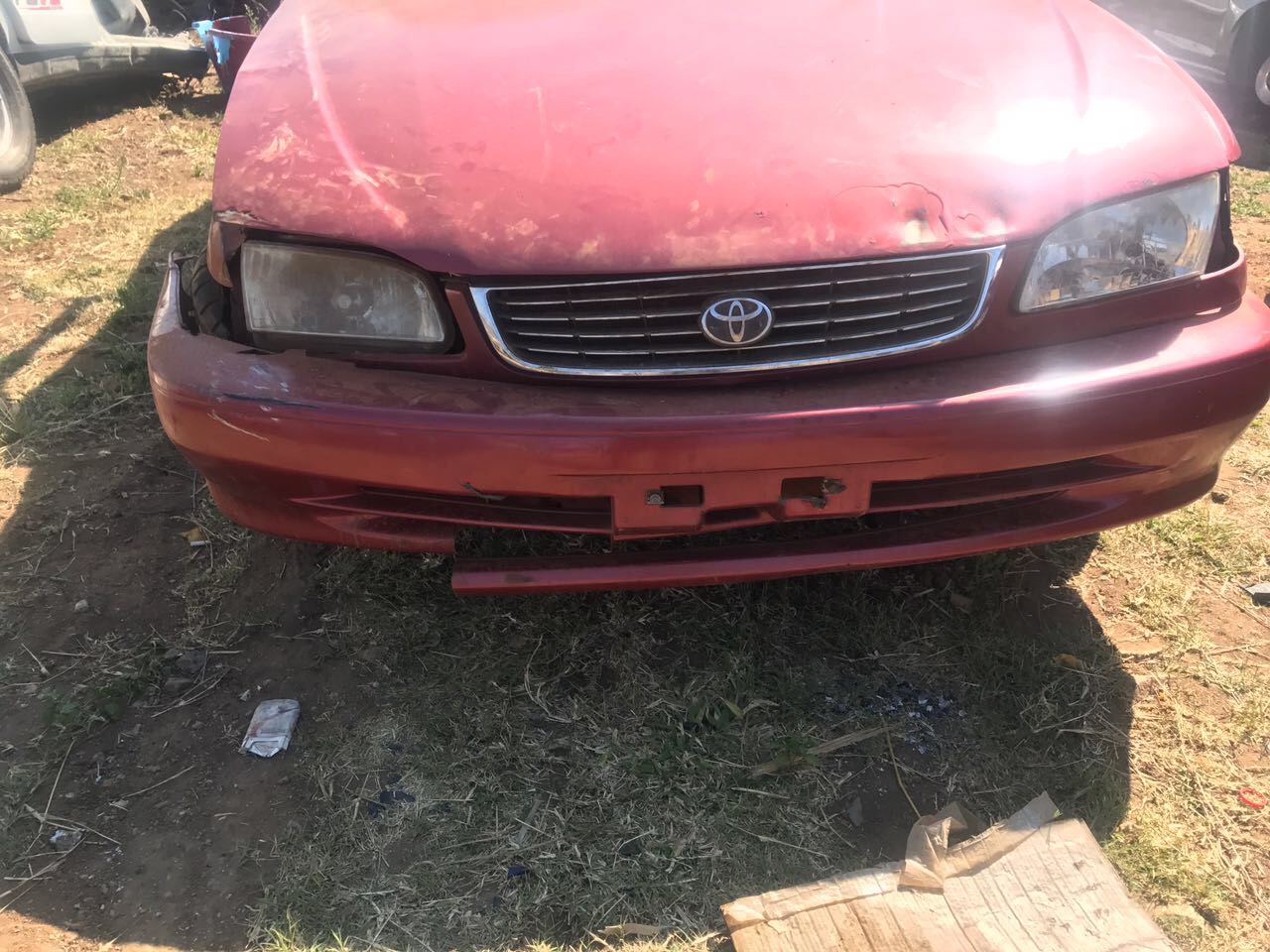
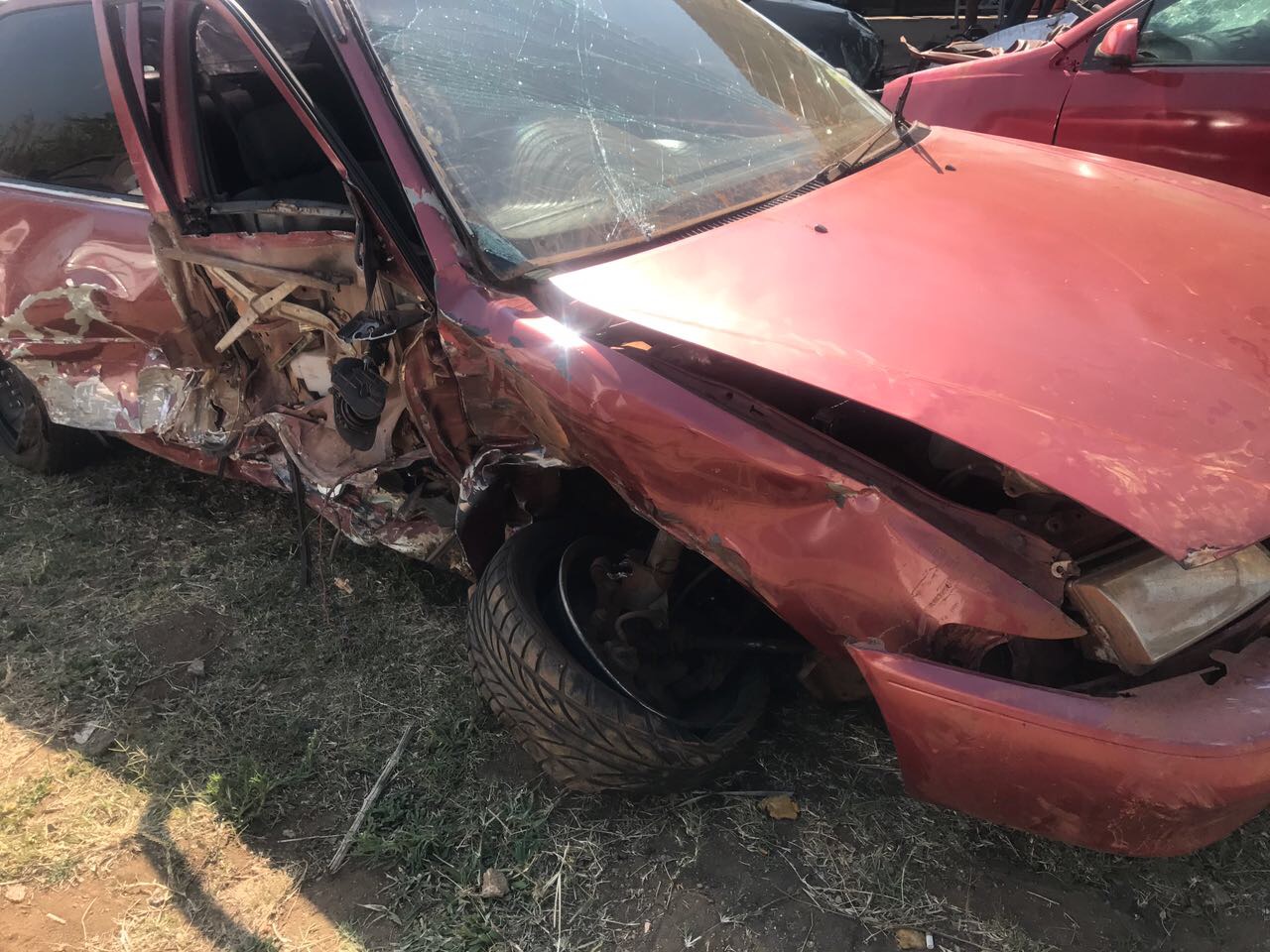
Make: Toyota
Model: Corolla
Call us for prices: 015 004 1354 / 015 581 4019 / 015 004 1365 Whatsapp Number: 082 538 8751
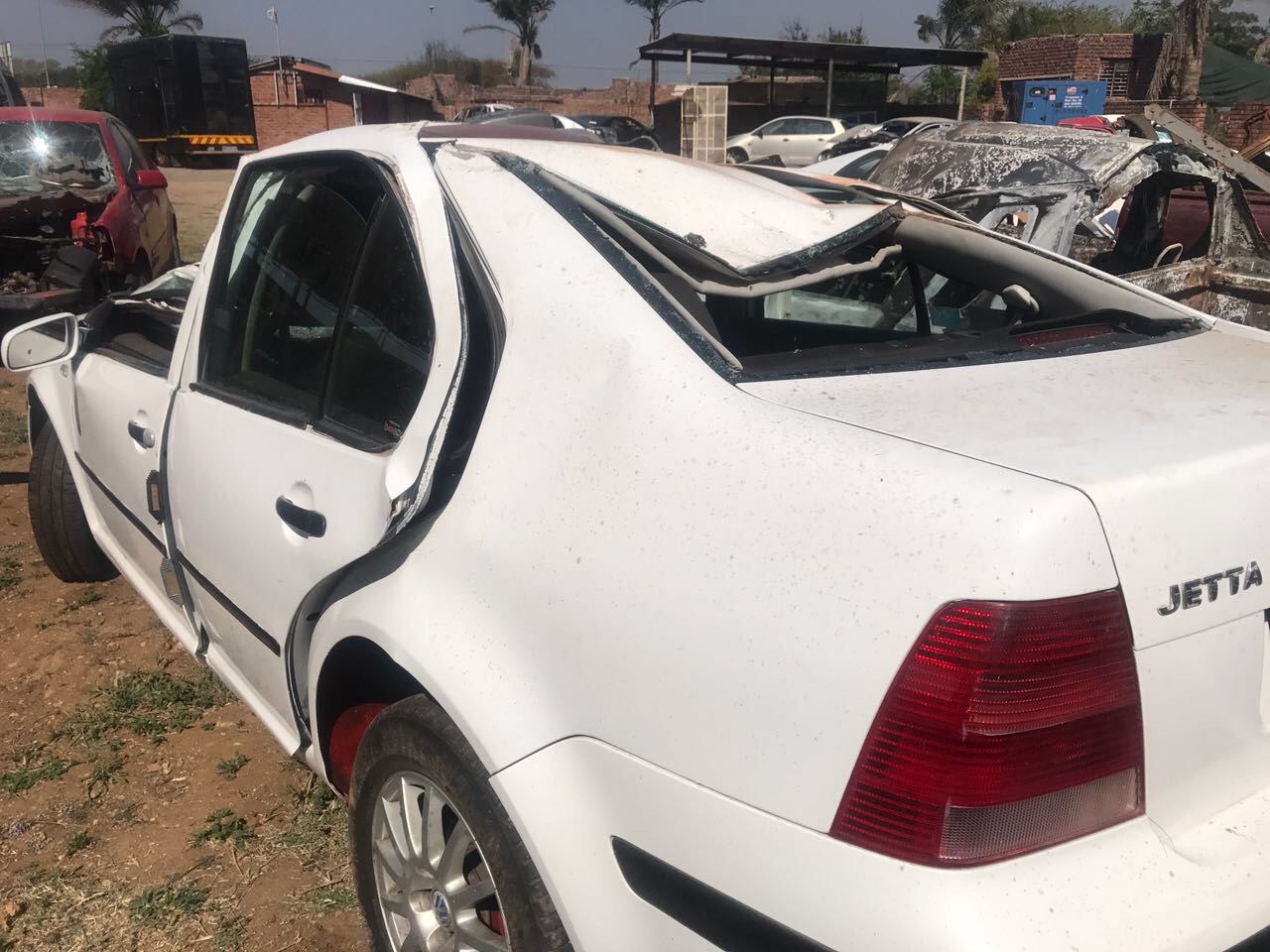
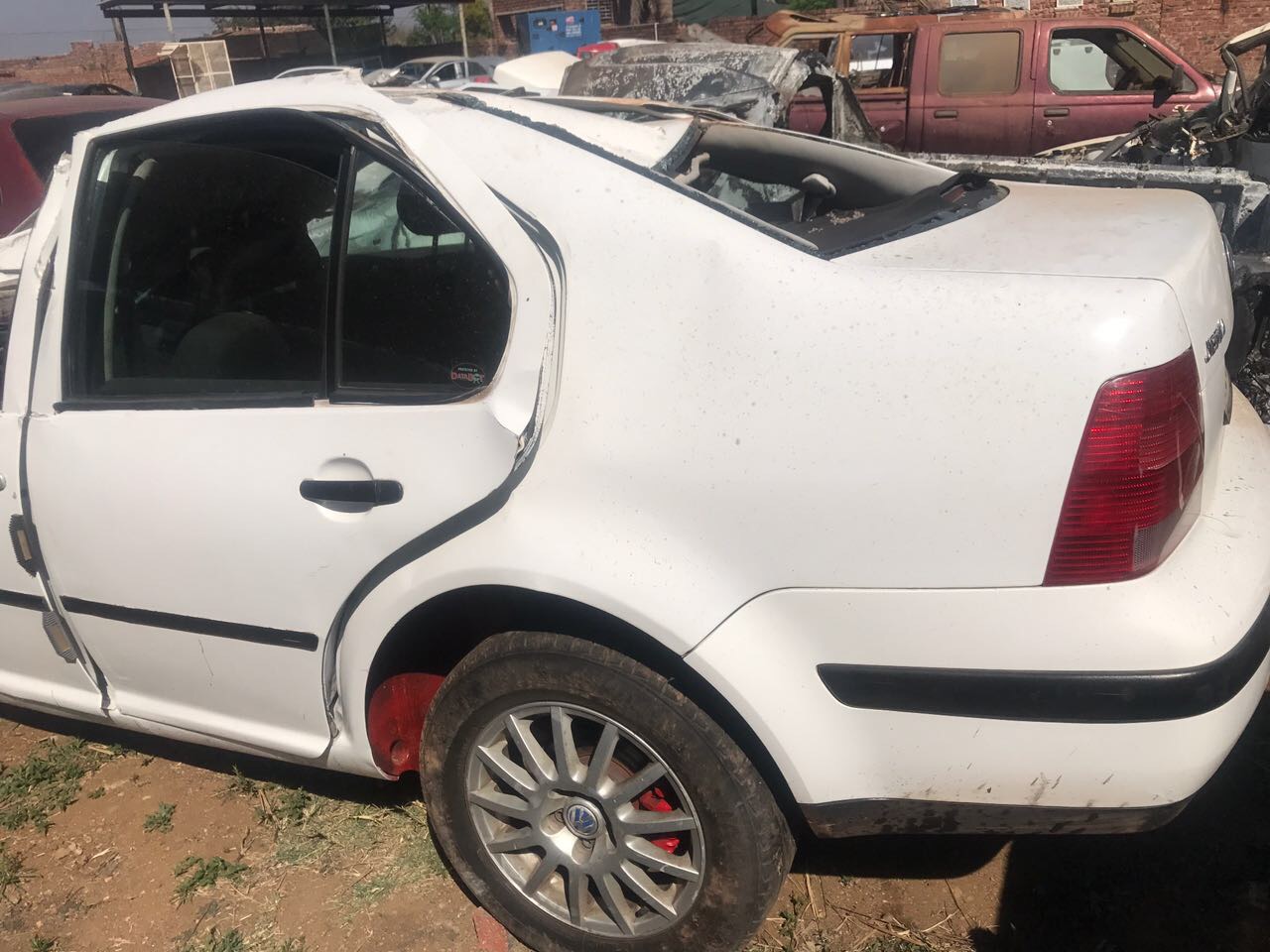
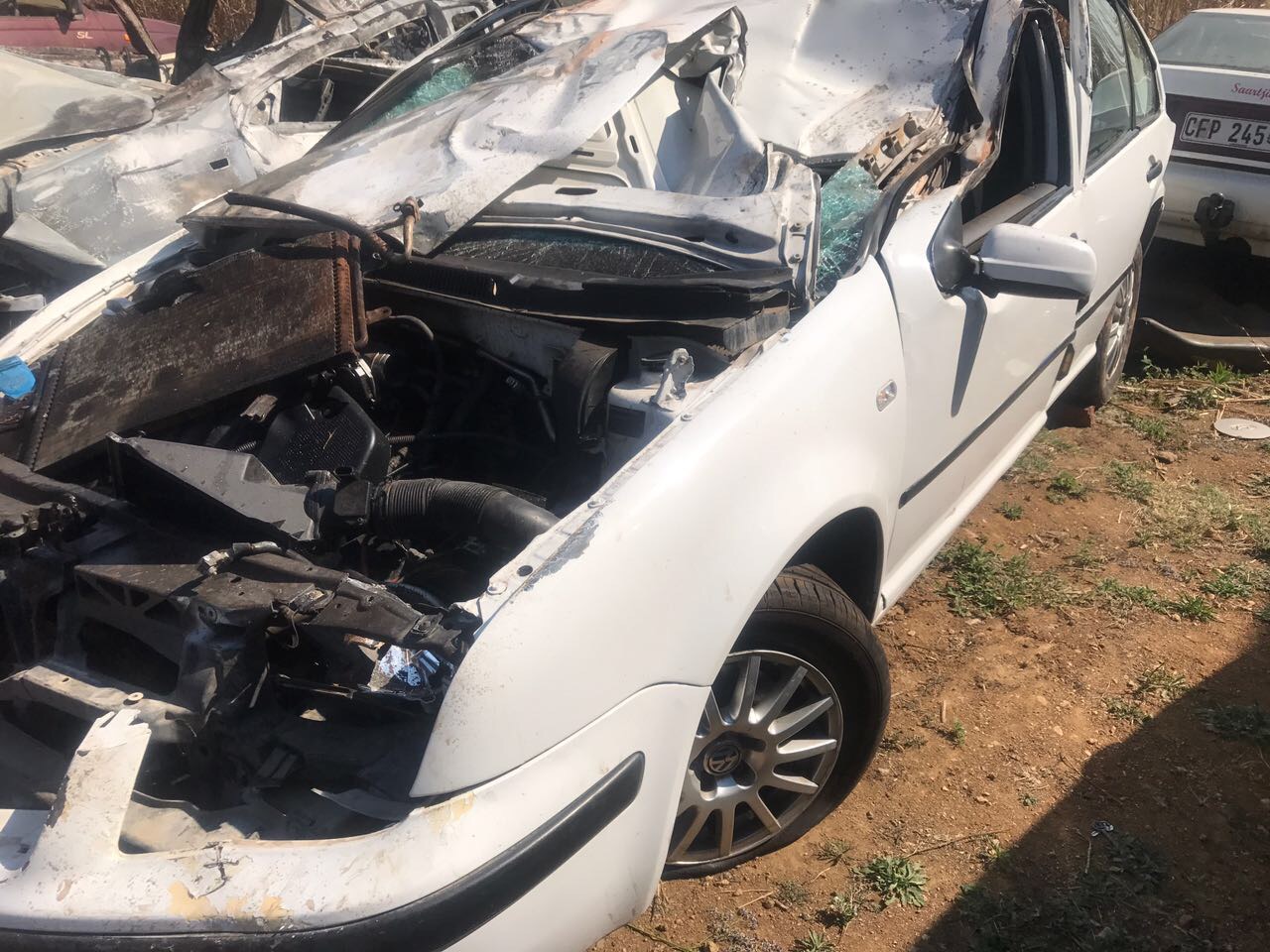
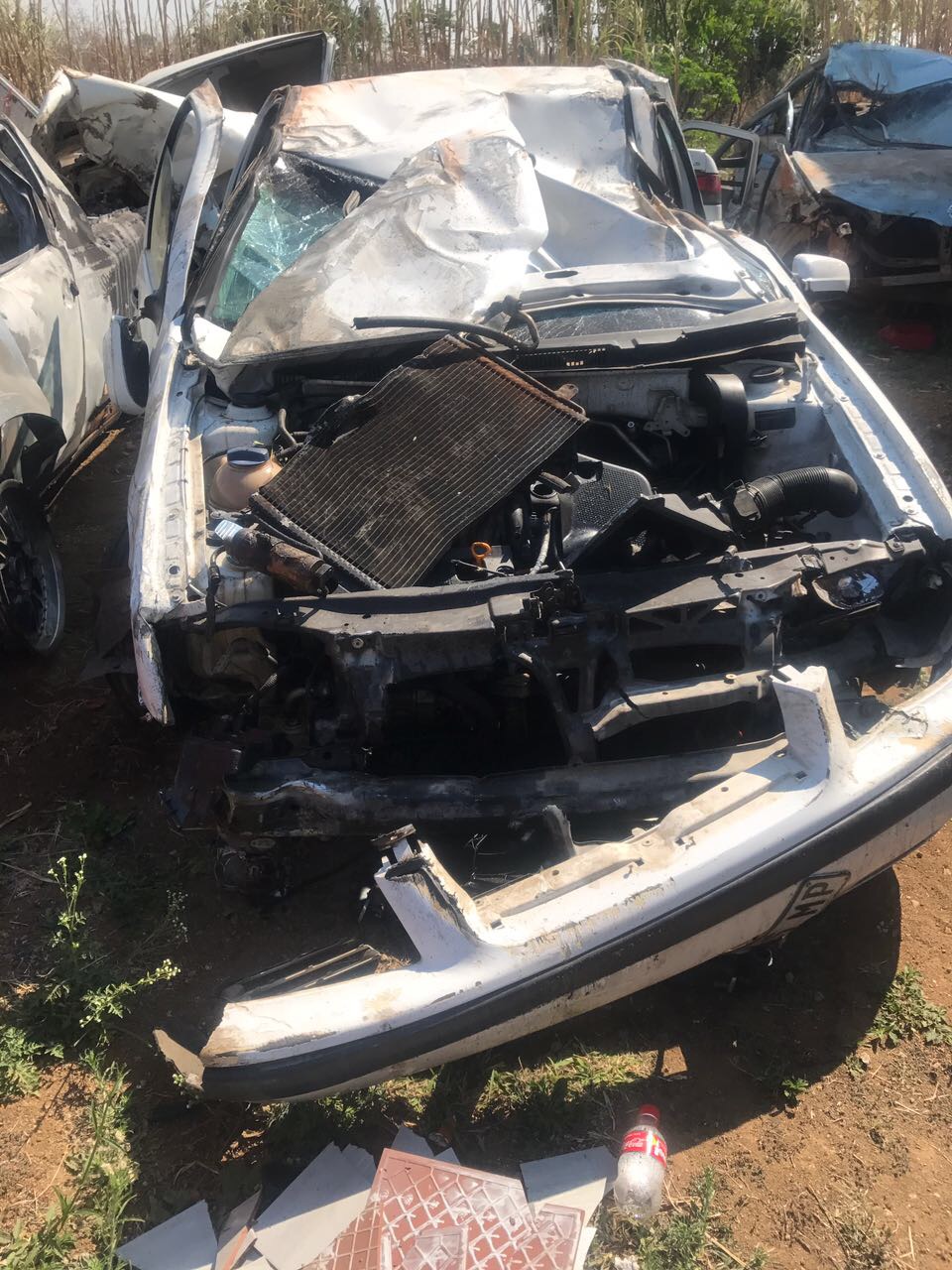
Make: VW Jetta
Model: 2005
Call Us for prices: 015 004 1354 / 015 581 4019 / 015 004 1365 Whatsapp Number: 082 538 8751
1. Storage Compartment
The more weight you’re carrying around in your boot or car, the more fuel you’re using, and therefore, the more it’s going to cost you!
Assign one day a week to empty out the contents of your car. Just think, with what you save on wasted petrol you could end up with enough for new necessities or even groceries!
2. Checking your oil and water levels
Basically, if your car runs out of oil, the engine will have no lubrication, seize up and die, leaving you with a car that doesn’t work and a hefty mechanic’s bill.
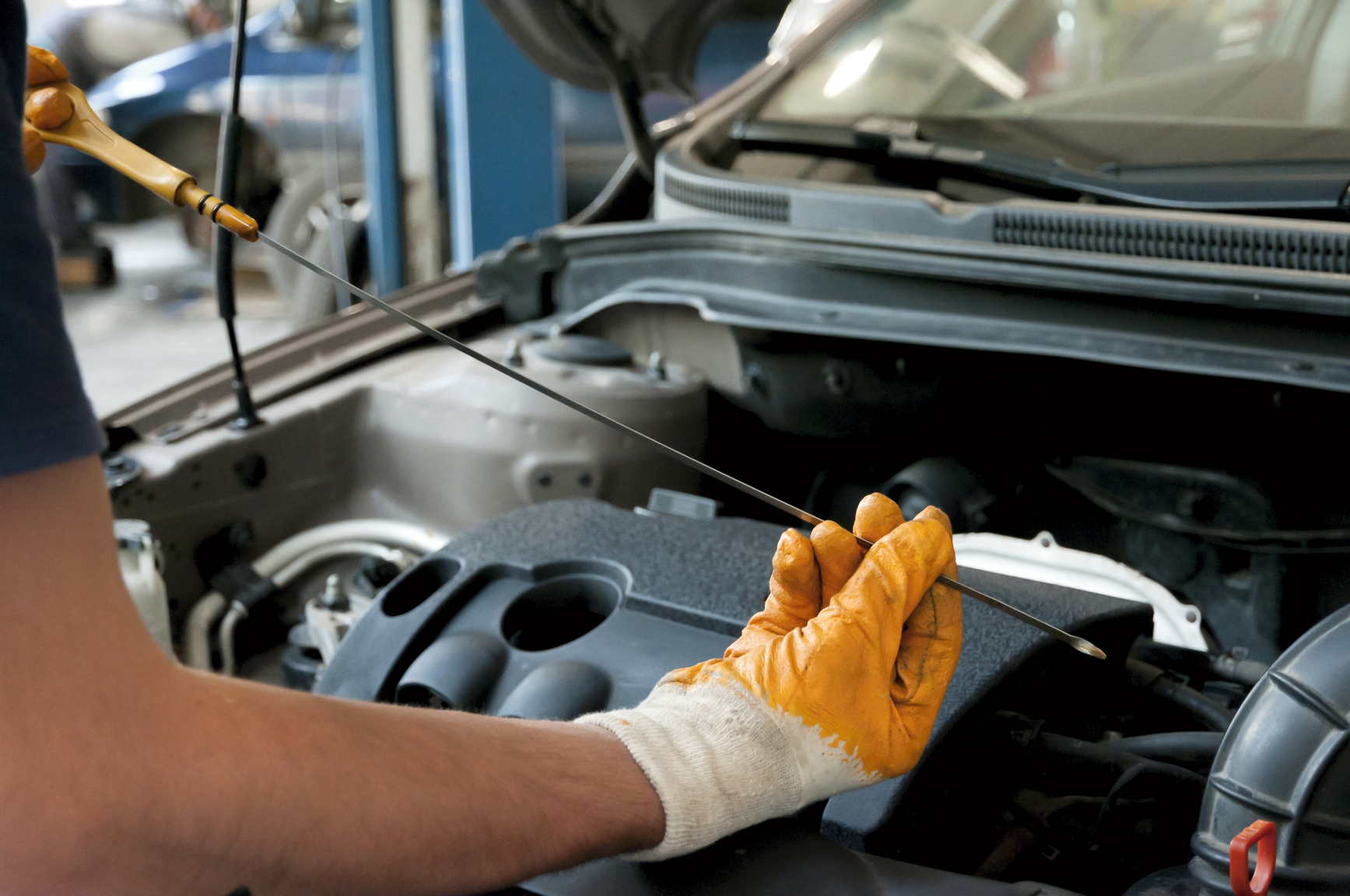
Checking your oil once a month can prevent this. Make sure your car has been stopped for five minutes or so (the engine turned off!), open the bonnet, pull out the dipstick from the engine then wipe and replace it, before pulling it out again – the oil level should be between the minimum and maximum marks. If it’s not, then it’s time to top up.
3. Air cons and windows…
Ever heard the common myth that having your air-con turned on uses more fuel than opening the window? At most speeds, if the car window is open, the coefficient drag is enough to make your car work harder thus using more fuel. In fact, it uses about the same amount of fuel as having your air-con turned on.
4. Changing tyres or getting a flat
Putting the gear lever into “park” won’t stop the vehicle from moving and falling off the jack, once lifted. If you have passengers onboard, have them get out, and apply the handbrake as tight as it will go.
Switch the engine off. Open the boot and ensure that the spare wheel is at hand before undoing the wheel, as I’ve seen many a rear end of a vehicle in the air with wheels off and the driver unable to get to the spare wheel in the boot. The biscuit wheel is an emergency wheel and cannot be used indefinitely. Have the flat repaired immediately.
5. Testing the fuel gauge
This may sound a little bit silly but the ‘E’ on your petrol gauge does not stand for ‘enough’! If you’re running on reserve find the nearest petrol station and top up. Not only is it dangerous if you get caught out without fuel, it’s not good for your engine either.
6. Clutch riding
Keeping your foot on the clutch while driving will not help you change gears more smoothly. Rather the thrust bearing is being overworked by constant pressure from the fingers of the pressure plate which will ruin the thrust bearing and cause premature clutch failure.
7. Thinking of driving in heels? Think again…
High heels elevate your foot and distort the ability to measure how much pressure needs to be applied to the clutch and brake pedals. Heels also have a good chance of getting caught in the floor mat. If your heel is wedged under the pedals or stuck on the carpet/floor mat you might not be able to react swiftly. Consider keeping a comfortable pair of driving shoes in your car and do a quick shoe change before driving.
“Remember to regularly get your vehicle serviced. It’s far more cost effective and less dangerous to maintain your vehicle rather than waiting for a part to break and then replacing it. Don’t be afraid to ask questions about your vehicle and what is being done during a service and always use a reputable workshop like Dzananwa Motors.
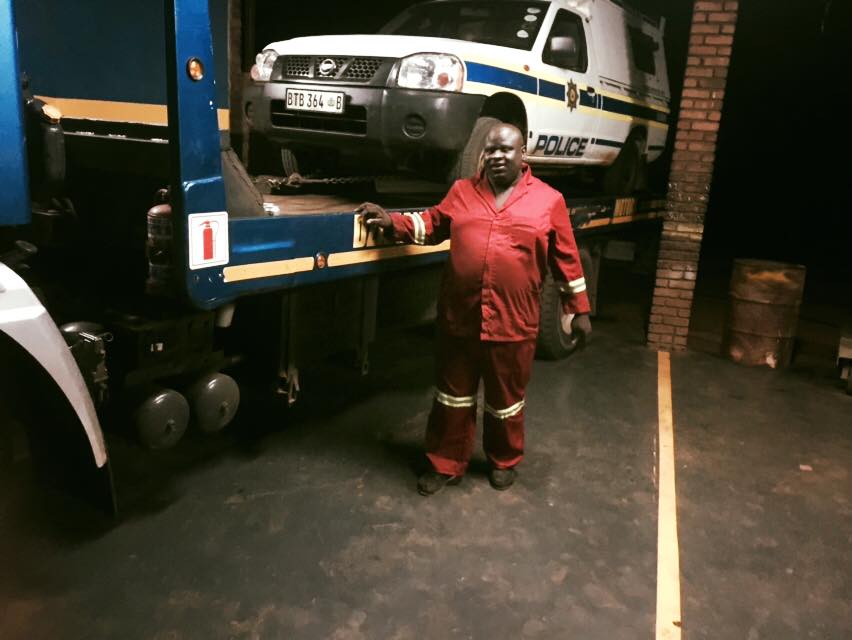
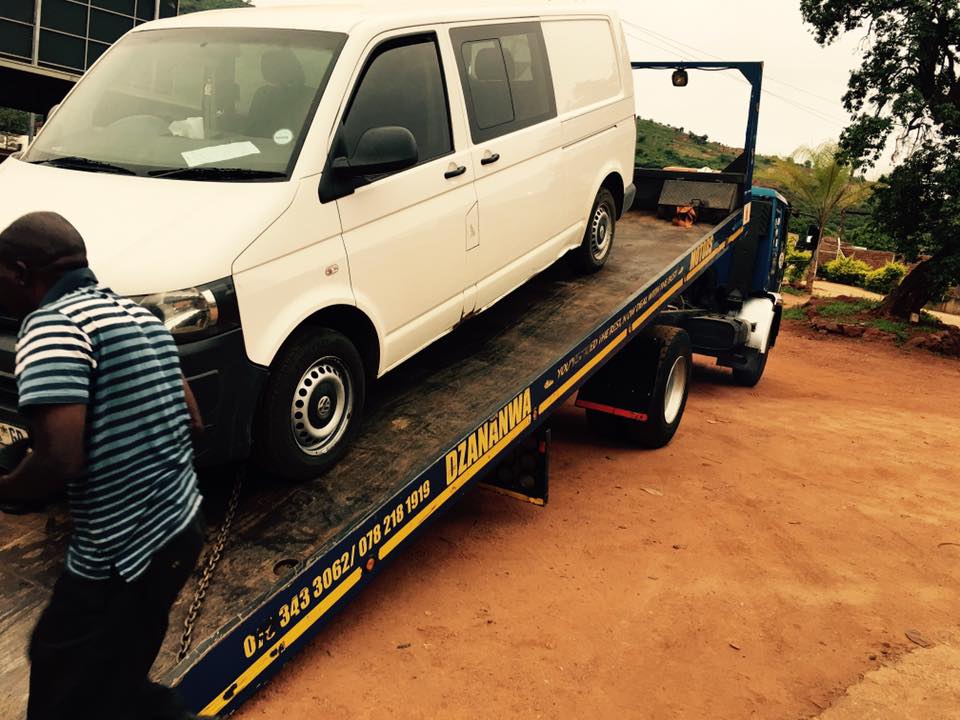
The entire staff at Dzananwa Motors Towing Service understands that employees stranded on the side of the road is a potential loss of revenue for any company. Our fleet division is dedicated to your specific needs, keeping your business from losing precious time stuck on the side of the road. We will assist your company with fleet towing services to reduce the downtime of your employees, and help keep your drivers productive.
When you’re in need of towing services, such as a fleet vehicle or truck recovery, simply give us a call for immediate response.
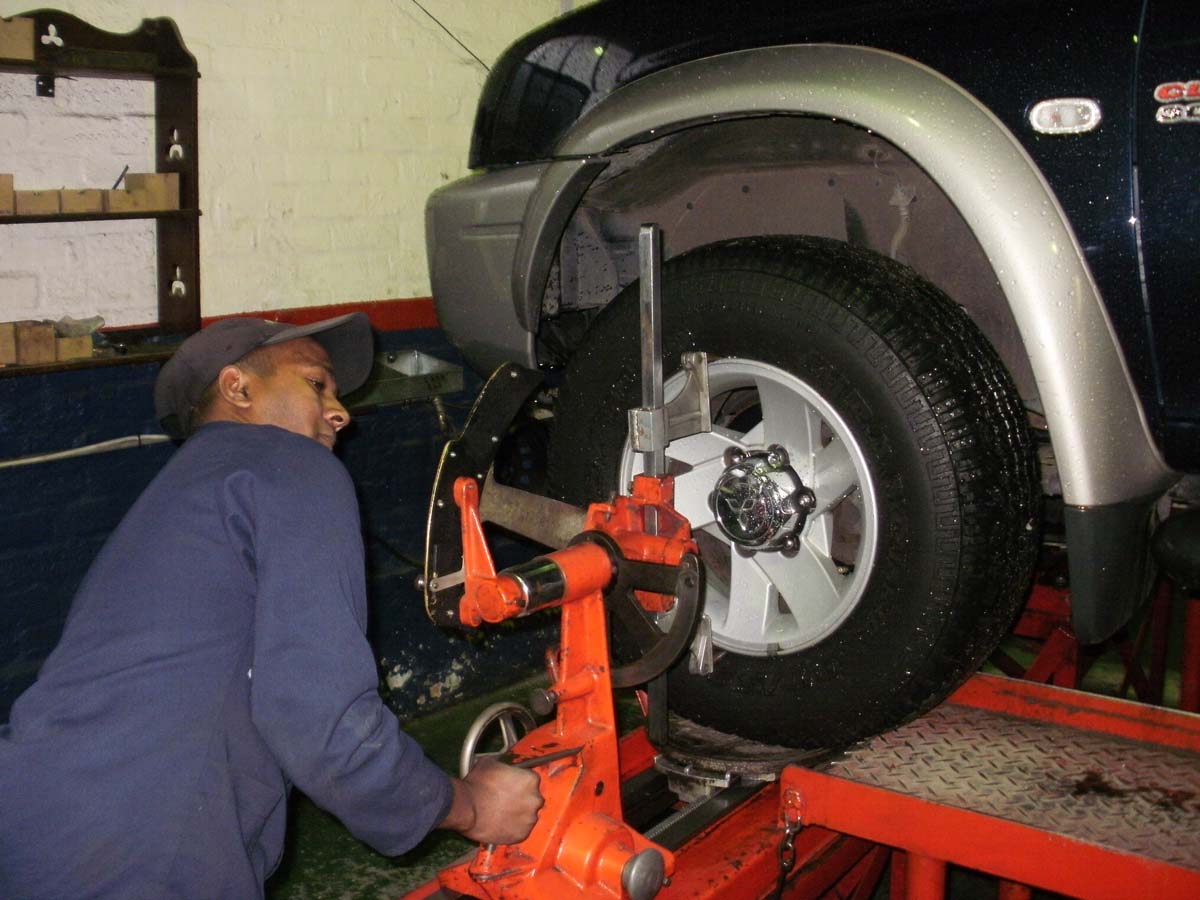
Wheel balancing and wheel alignment is an important part of ensuring safer driving on the roads. Wheels that are not balanced cause the steering wheel to vibrate which negatively affects the driver’s handling of the vehicle.
An increase in fuel consumption is also evident as the unbalanced wheels increase the need for additional energy when driving. Your suspension and steering components, rotating parts and tyres will also experience premature wearing due to unbalanced wheels.
If you choose to ignore the above symptoms and do not balance and align your wheels you will not only endanger your life when driving on the road, but the wearing of the parts of the vehicle will also be very expensive to replace in the long run.
Wheel alignment and wheel balancing should be done every 10 000km or once per year.
 Wheel alignment and Wheel Balancing are two totally different things, but many people often get them confused. In a nutshell, wheel alignment consists of adjusting the angles of the wheels so that they are perpendicular to the ground and parallel to each other. The purpose of these adjustments is maximum tyre life and a vehicle that tracks straight and true when driving along a straight and level road.
Wheel Balancing, on the other hand allows the tyres and wheels to spin without causing any vibrations. This is accomplished by checking for any heavy spots on the wheel-tyre combination and compensating for it by placing a measured lead weight on the opposite site of the wheel from where the heavy spot is.
The symptoms of a car that is out of alignment are:
Uneven or rapid tyre wear
Pulling or drifting away from a straight line
Wandering on a straight level road
Spokes of the steering wheel off to one side while driving on a straight and level road.
The symptoms of a wheel that is out of balance are:
Vibration in the steering wheel at certain highway speeds.
Vibration in the seat or floorboard at certain highway speeds.
Scalloped or cupped wear pattern on the tyres
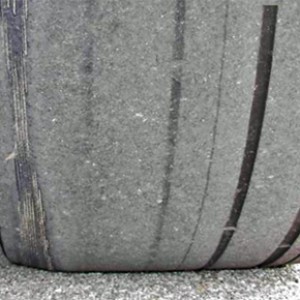
Wheel Alignment: To find out if you need an alignment, first check each tyre and look for uneven wear patterns. The problem with this method, however, is that if you can see a wear pattern like the ones listed below, it may be too late to save that tyre. This is why it is a good idea to have your alignment checked periodically.
At each tyre, take a coin and insert it in the tread at the inside, center and outside.
If the tread is deeper on the edges than in the center, the tyre is over inflated.
If the tread is deeper in the center than the edges, the tyre is under inflated.
If the tread is deeper on one side than the other, have your wheel alignment checked soon.
Run your hand back and forth across the tread, being careful not to cut yourself on any debris or exposed steel belt wire. If the tread is smooth in one direction, but jagged in the other you have what is called a “saw-tooth” wear pattern which is caused by a toe-in problem. Have the alignment checked as soon as possible as this condition causes rapid tyre wear.
The first two conditions do not call for a wheel alignment but the second two do. If these wear patterns are pronounced, you should replace the tyres or move them to the rear before aligning the car. Another indication of an out-of-alignment condition is a car that continuously drifts or pulls to one side of the road when you let go of the steering wheel. A car that is hard to keep in a straight line without constant steering corrections is also a candidate.
After the wheel alignment is finished, you should drive the car on a straight and level road and check that the car goes straight and that the steering wheel is in the proper position with the spokes level. If you notice a problem, take the car back and have the technician drive it and fine-tune the alignment settings.
Wheel Balancing: Out-of-balance tyres will cause a car to vibrate at certain speeds. A tyre is out of balance when one section of the tyre is heavier than the others. The slightest bit of imbalance on a front tyre is enough to cause a noticeable vibration in the steering wheel at about 60km/hr.
To balance a wheel, the technician will mount it on a balancing machine which spins the wheel to locate the heavier part. He will then compensate for the heavy part by attaching a lead weight on the opposite side. Many people are pleasantly surprised at how smooth their car drives after balancing all four wheels.
Most high quality tyres will hold their balance fairly well and go out of balance very gradually. If you notice a vibration that wasn’t there the day before, it is possible that one of the lead balancing weights fell off. If you feel the vibration mostly in the steering wheel, the problem is most likely in a front wheel. If the vibration is mostly in the seat, the problem is probably in the rear.
Get your Wheel Alignment and wheel balancing done at Dzananwa Motors today!
Call us on 015 519 9562 or 061 583 8288 or chat to us on whatsapp 076 343 3062